Fotona 4D Laser Facial (TimeWalker) Encino, CA: A Fresh Take on Facial Tightening
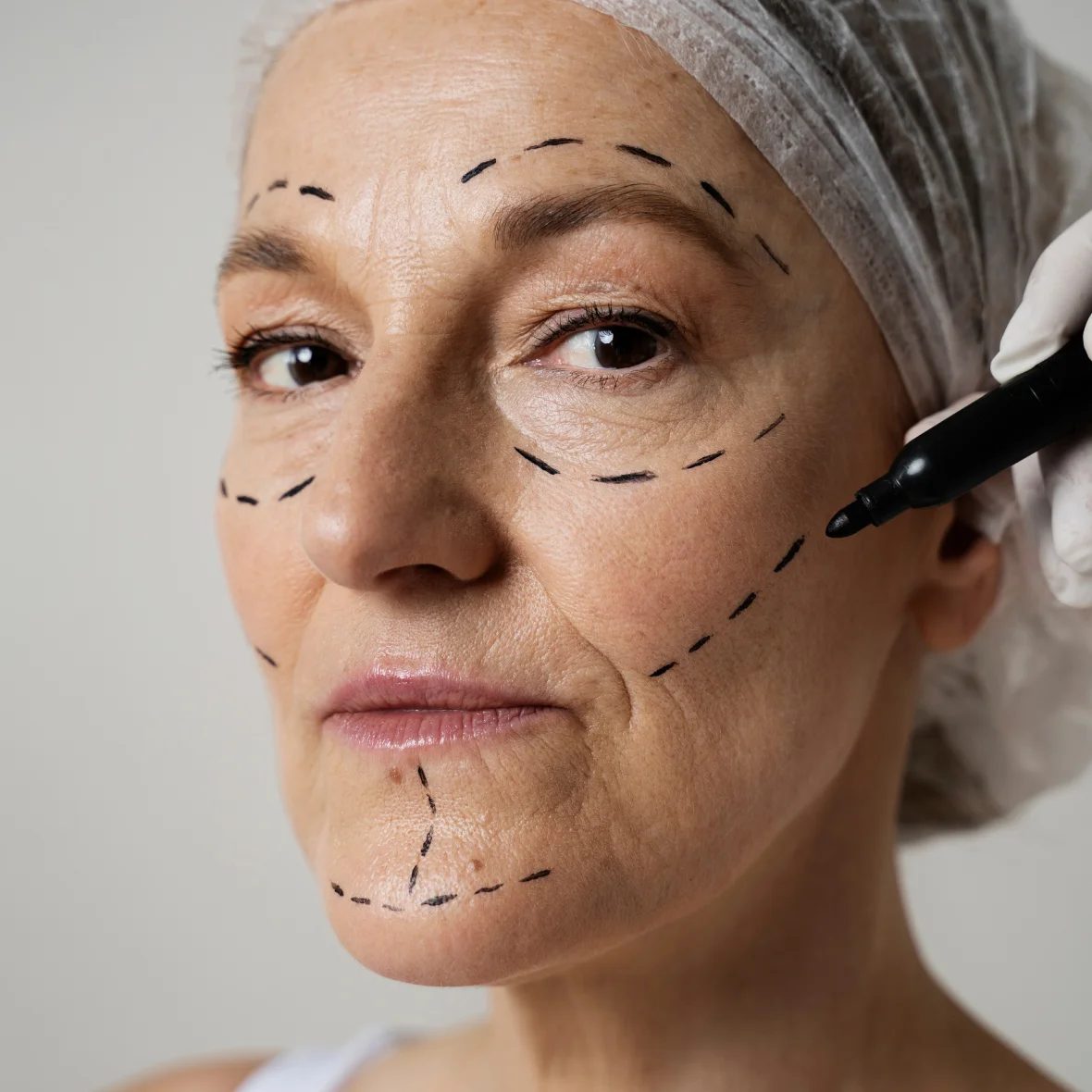
Facial tightening has changed quite a bit over the last decade. Patients still want smoother skin, firmer contours, and a more rested look, but the way they want to get there is different now. Most people are not chasing an obviously "done" result. They want to look like themselves on a good month, after better sleep, less stress, and a little strategic help. That shift is one reason the Fotona 4D Laser Facial, often discussed alongside the TimeWalker platform, has earned so much attention.
For patients exploring Fotona 4D Laser Facial (TimeWalker) Encino, CA, the appeal is easy to understand. It is a non surgical treatment concept built around layered laser rejuvenation. Instead of relying on a single pass or one depth of treatment, it approaches tightening from different angles, including inside the mouth and across the skin surface. That combination matters because facial aging is not a one-layer problem. Laxity, textural change, volume redistribution, and fine etched lines all show up together.
Encino is the kind of market where patients tend to be informed, selective, and understandably skeptical. They have seen enough marketing language to know that "tightening" can mean anything from a subtle glow to a meaningful improvement in lower face laxity. The real value of this treatment is not hype. It is in the way the technology can be customized, the recovery is usually manageable, and the results tend to look natural when expectations are set properly.
Why Fotona 4D feels different
A lot of skin rejuvenation treatments target either the surface or the deeper tissue. Some excel at pigment. Others focus on resurfacing. Others create thermal tightening but leave texture mostly unchanged. Fotona 4D stands out because it was designed as a multi dimensional protocol. It is not one laser mode pretending to do everything. It is a sequence of laser steps that can work on mucosal tissue, deeper dermal structures, and the skin surface.
That layered approach is one of the reasons experienced practitioners often describe it less as a single treatment and more as a treatment architecture. A patient may come in wanting help with smile lines, early jowling, crepey cheeks, or a generally tired appearance. Rather than selecting one limited endpoint, the provider can address several contributors within the same overall session.
The "4D" label refers to four treatment modes that can be combined during one appointment. The exact sequence and intensity can vary, but the general concept includes intraoral tightening, fractional rejuvenation, bulk heating for collagen remodeling, and a finishing light peel effect to refresh the surface. When done thoughtfully, the result is not just tighter skin. It is skin that often looks smoother, brighter, and a little more refined.
That distinction matters. Many patients say they do not necessarily mind looking older. What bothers them is looking worn out. A treatment that firms tissue without improving texture can leave the face looking slightly lifted but still rough or dull. On the other hand, a treatment that brightens the surface without supporting deeper collagen may create a temporary polished look without much structural benefit. Fotona 4D tries to bridge that gap.
What the TimeWalker name usually means in practice
The TimeWalker name is associated with Fotona systems used for aesthetic rejuvenation. Depending on the office, you may hear people use "Fotona 4D" and "TimeWalker" almost interchangeably in conversation, especially when referring to facial anti aging protocols. What matters more than the branding shorthand is the platform capability and the provider's familiarity with it.
In practical terms, the TimeWalker concept often emphasizes customizable treatment combinations, not a rigid one size fits all recipe. A 39 year old patient with early lower face laxity and no interest in injectables may be treated very differently from a 58 year old patient with deeper perioral lines, visible cheek texture, and more advanced skin thinning. Both may be candidates, but the energy settings, treatment endpoints, and number of sessions can differ.
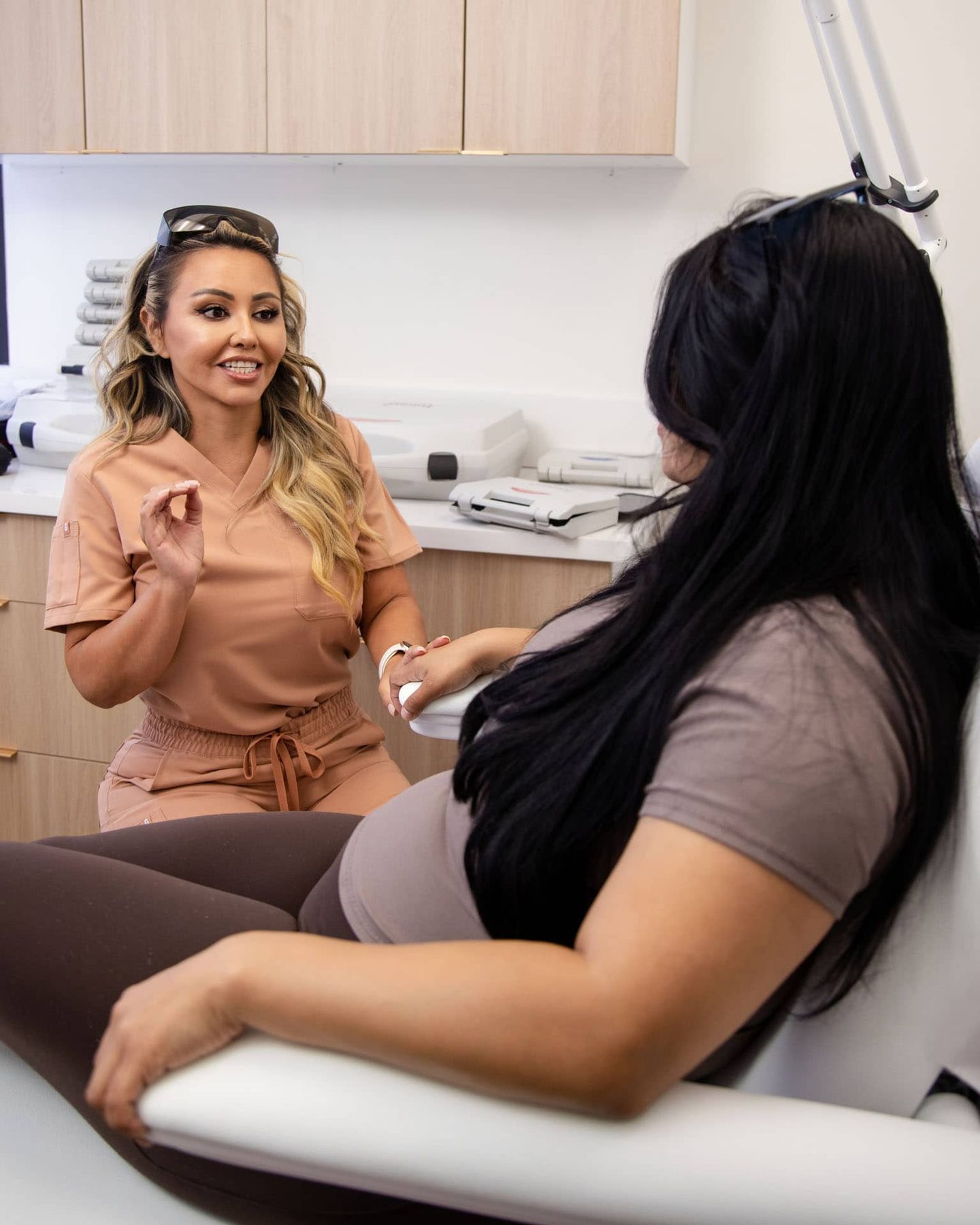
That is where Fotona 4D Laser Facial (TimeWalker) Encino, CA a good consultation earns its keep. A credible provider will not simply say, "You need three sessions," and stop there. They should look at skin thickness, degree of movement around the mouth, sun damage, acne scarring history, pigment sensitivity, and downtime tolerance. In Encino, where many patients have busy work and social calendars, those practical details matter as much as the technical ones.
The four layers, and why each one matters
One of the more interesting parts of Fotona 4D is the intraoral component. That can sound unusual at first, but it makes anatomical sense. The inside of the mouth allows energy delivery to tissue that supports the perioral area and lower midface. Patients who have started noticing softening around the nasolabial folds or a slight collapse around the mouth often find this part especially relevant. It is not a facelift substitute, but it can contribute to a firmer look in an area that is difficult to treat well with superficial methods alone.
Another mode focuses on fractional treatment, which can help Fotona 4D Laser Facial (TimeWalker) Encino, CA with texture and collagen stimulation. This is useful for fine lines, enlarged pores, and overall skin refinement. It is the part many patients notice visually in the mirror within a shorter time frame, because surface quality tends to influence how rested the skin looks day to day.
Then there is a deeper heating component designed to support collagen remodeling. This is where "tightening" is more than a marketing word. The goal is controlled thermal stimulation within the dermis, encouraging tissue response over time. It is not instant in the way that edema from a treatment can create a fleeting temporary firmness, but it can be meaningful as collagen remodeling unfolds over several weeks to months.
The final polish is often a lighter peel style pass that freshens the surface. Think of it as the finishing touch that can enhance tone and luminosity. When all four dimensions are used appropriately, the face can look not only firmer, but also cleaner in texture and more even in finish.
Who tends to benefit most
The best candidates are often people in that middle territory, not ready for surgery, not satisfied by topical skin care alone, and realistic about what a non surgical treatment can do. In practice, that often means patients in their late 30s through 60s, though age by itself is not the deciding factor. Skin quality and tissue behavior matter more.
Someone with mild to moderate laxity, fine lines around the mouth, early jowl formation, or a general loss of crispness can do quite well. Patients who want gradual improvement often appreciate it because the results do not announce themselves loudly. Friends may comment that they look refreshed or ask whether they changed their skin care, which is usually the sweet spot.
It can also appeal to patients who are trying to delay surgery. That point deserves nuance. No laser treatment replaces a surgical lift when laxity is advanced. Heavy jowls, significant neck skin redundancy, and marked lower face descent typically need a different level of intervention. But there is a broad category of patients who are not there yet, or who do not want surgery at all, and for them this treatment can be a sensible middle path.
On the other hand, if the main issue is deep pigmentation, active melasma, or significant volume loss in the cheeks and temples, the conversation should be broader. Laser tightening helps collagen and texture, but it does not replace volume where volume is actually missing. In those cases, a balanced plan may matter more than any single treatment name.
What a session usually feels like
Patients are often pleasantly surprised that the treatment is tolerable, though comfort depends on settings, skin sensitivity, and the specific protocol used. The intraoral portion feels warm and unusual more than sharply painful. The external passes can range from mildly prickly to more intense heat, particularly in areas with thinner skin or around the mouth.
Topical numbing may be used depending on the approach. Some providers keep the treatment conservative enough that numbing is minimal or optional. Others prefer more aggressive settings and plan for extra comfort support. A realistic description is this: most people can get through it without much trouble, but it is not the same sensation as a relaxing facial. It is a treatment, and it should be respected as such.
The session length can vary, but many full face appointments fall somewhere around 45 to 90 minutes once preparation is included. Recovery is usually manageable. Patients may leave pink, warm, and slightly swollen, especially if a more active resurfacing component is included. That can settle quickly for some people or linger a few days for others.
One of the practical advantages is that downtime often fits normal life better than more aggressive ablative procedures. A patient who cannot disappear for ten days may still be willing to accept a weekend of redness and a few days of feeling a bit dry or rough. That flexibility is part of the treatment's appeal in places like Encino, where many patients want meaningful improvement without a prolonged social pause.
Results, timing, and the honesty patients deserve
A common mistake in aesthetic medicine is talking about results as if they arrive all at once. With Fotona 4D, some early changes can show up fairly quickly. Skin may look brighter, a bit tighter, and more polished within days to weeks. But the more structural part of the result is slower. Collagen remodeling takes time.
Most patients should think in terms of gradual improvement over several weeks, with continued evolution after a series of treatments. Some practices recommend a package of three sessions spaced a few weeks apart, though plans vary. Maintenance may be suggested once or twice a year depending on age, baseline skin quality, sun exposure, and how aggressively the initial series was done.
The honesty part is important. If someone expects a one session miracle for moderate lower face laxity, disappointment is likely. If someone understands that the goal is visible but natural improvement, especially in firmness, texture, and perioral aging, satisfaction tends to be higher. Good providers say this plainly.
There is also the matter of asymmetry and facial habits. Some patients chew more on one side, sleep consistently on one side, or carry more sun damage across one cheekbone. These factors influence outcomes. Laser treatments can improve skin quality impressively, but they do not erase every structural quirk the face has developed over years.
Encino patients often ask the same practical questions
One question comes up almost every time: "Will I peel?" The answer is maybe, but usually not in the dramatic sense patients imagine from stronger resurfacing lasers. Many experience a sandpapery feel, dryness, or fine flaking rather than sheets of visible peeling. The surface response depends on how much emphasis is placed on the peel component.
Another frequent question is whether it works for the neck. It can be used beyond the face in many settings, but the neck is a separate challenge. Neck skin is thinner, more variable in healing response, and often less forgiving. Some patients see worthwhile improvement. Others need a combination plan and should not expect the neck to respond identically to the cheeks.
The third question is about pairing it with injectables. In many practices, combination care is common. A patient might do Fotona 4D for skin quality and tightening, then use neuromodulator for dynamic lines or filler for selective structural support. That does not mean everyone needs everything. It simply reflects a basic truth of facial aging: lines, laxity, and volume loss are different problems.
Where it fits among other tightening options
Patients in Encino are often comparing several categories at once. Radiofrequency microneedling, ultrasound based lifting treatments, fractional resurfacing, and surgical consultation may all be on the table. Fotona 4D occupies a useful space because it can address both surface and support in one overarching protocol.
Here is a simple way to think about the trade-offs:
| Treatment approach | Strengths | Limitations | | --- | --- | --- | | Fotona 4D / TimeWalker | Multi layer treatment, texture plus tightening, modest downtime | Results are gradual, not a surgical lift | | Radiofrequency microneedling | Good for texture, acne scarring, collagen support | Needle based, can be less appealing for some patients | | Ultrasound tightening | Deeper structural targeting | Less effect on surface texture | | Ablative resurfacing | Strong textural and line improvement | More downtime, more recovery planning | | Facelift surgery | Most powerful option for significant laxity | Invasive, longer recovery, higher commitment |
That comparison is not meant to crown one modality the winner. The right choice depends on what bothers the patient most. For fine lines around the mouth and diffuse loss of skin bounce, Fotona 4D can make a lot of sense. For severe neck laxity, the conversation may head elsewhere.
What to ask at a consultation
The quality of the consultation often predicts the quality of the result. A rushed conversation is a warning sign, especially with energy based treatments that need customization.
A few questions are worth asking:
- What specific concerns on my face are most likely to improve with this treatment?
- How many sessions do you realistically think I will need?
- What will my downtime look like based on my skin type and your settings?
- What are the limits of this treatment for someone with my level of laxity?
- Who will actually perform the procedure, and how often do they do it?
If the answers are vague or overly optimistic, keep looking. Good aesthetic care is rarely about the fanciest machine alone. It is about judgment, restraint, and knowing when a treatment is appropriate.
Safety, skin tone, and treatment planning
Laser conversations should always include safety, especially for patients with more pigment in the skin or a history of post inflammatory hyperpigmentation. Fotona platforms offer versatility, but that does not remove the need for caution. Settings, pretreatment skin preparation, and aftercare all matter. A provider who works comfortably across a range of skin types should be able to discuss how they reduce risk and whether your skin history changes the plan.
Patients with rosacea, highly reactive skin, or recent significant sun exposure also need individualized guidance. Sometimes the smartest move is not to rush into treatment. A few weeks of better barrier support, pigment control, or sun avoidance can make the difference between a smooth recovery and an irritated one.
It is also worth mentioning herpes simplex history, especially if the perioral area is being treated. Many practices take preventive steps when cold sores are part of the history. These are small details, but they are exactly the kind that experienced offices do not miss.
Aftercare shapes the final outcome more than people think
Aftercare is not glamorous, but it matters. Right after treatment, the skin barrier is temporarily more vulnerable. Heat, friction, active skin care ingredients, and too much sun can all interfere with recovery.
Most patients do best when they keep things simple for a few days. Gentle cleansing, bland moisturizer, strict sunscreen use, and a pause on retinoids or stronger exfoliants are common recommendations. Makeup timing depends on how the skin looks and what was done, but many patients can return to it fairly quickly if there is no significant surface disruption.
The other overlooked issue is patience. People often judge a treatment too early, especially around day two or three when the skin may feel dry or look uneven before it settles. That short phase is not the outcome. It is just the skin moving through recovery.
Why natural looking improvement keeps winning
There is a reason treatments like Fotona 4D continue to attract interest even in a crowded aesthetics market. They speak to a preference that has become more pronounced, especially among discerning patients: visible improvement without obvious alteration. Most people are not asking to look 25 again. They want their skin to stop undermining the way they feel.
That is where this treatment can be very satisfying. When it is used well, the changes tend to harmonize rather than dominate. The mouth area looks a little smoother. The cheeks reflect light better. The lower face appears a touch more supported. Photos become more forgiving. Makeup sits better. None of that sounds dramatic on paper, but in real life it can shift how a person feels every morning in the mirror.
For anyone considering Fotona 4D Laser Facial (TimeWalker) Encino, CA, the best starting point is not a promise of transformation. It is a careful assessment of your skin, your anatomy, and your tolerance for downtime. This treatment works best for patients who want a polished, credible result and understand that good aesthetic medicine often succeeds by degrees, not by spectacle.
When those pieces line up, Fotona 4D can be a smart and modern answer to one of the most common concerns in facial aesthetics: how to look tighter, fresher, and more rested, while still looking entirely like yourself.
OMNIA Wellness Center
16430 Ventura Blvd Ste 207, Encino, CA 91436
Phone: +1 818-386-8511
FAQ About Fotona 4D Laser Facial (TimeWalker) Encino, CA
What is a Fotona laser good for?
Fotona lasers support several different aesthetic protocols. The Fotona 4D facial uses two wavelengths and four treatment modes to address concerns such as fine lines, skin texture, and mild laxity. OMNIA Wellness Center offers the TimeWalker facial with an individual consultation. Suitability and likely improvement depend on the person's skin and goals; results are not guaranteed, and this treatment does not reproduce a surgical facelift.
How much does a Fotona laser treatment cost?
The cost depends on the treatment protocol, areas treated, number of sessions, and provider's assessment. Ask OMNIA Wellness Center for a current written quote that explains what is included, whether follow-up is included, and any proposed package terms. An individualized estimate is more useful than assuming that one advertised price applies to every facial treatment.
How much downtime is there after a Fotona laser procedure?
Recovery varies with the specific protocol and intensity. Fotona describes its 4D facial as having little to no downtime, but temporary redness or sensitivity can occur, and a stronger surface treatment can require more recovery. Ask the treating clinician what to expect from the planned settings, how to care for the skin afterward, and when to contact the clinic with concerns.